
The Essential Guide to the Dental Steam Cleaning Machine: Precision, Hygiene, and Efficiency
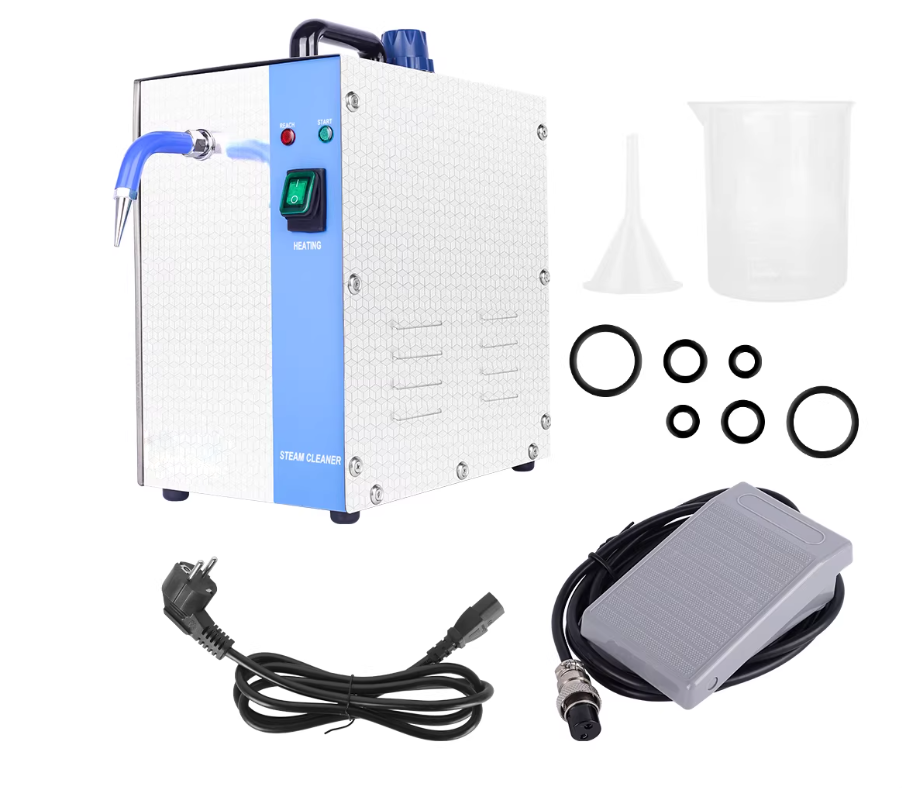
The Essential Guide to the Dental Steam Cleaning Machine: Precision, Hygiene, and Efficiency
In the fast-paced environment of a modern dental clinic, sterilization and cleanliness are non-negotiable. While autoclaves handle the heavy lifting of sterilizing instruments, the removal of physical contaminants—such as blood, saliva, polishing paste, and organic debris—requires a different approach. This is where the Steam cleaning machine becomes an indispensable asset. Specifically designed for the unique demands of dentistry, a high-quality steam cleaner offers a chemical-free, high-temperature solution for maintaining instruments and equipment.
When selecting a steam cleaning unit for a practice, durability and consistent performance are paramount. Let's explore the features, benefits, and proper operation of a professional-grade dental steam cleaner, such as a model built with High-quality 304# stainless steel and engineered for reliability.
Key Technical Specifications and What They Mean for Your Practice
Understanding the mechanics of your equipment ensures you maximize its lifespan and efficacy. A robust dental steam cleaner typically features the following core specifications:
-
Working Power: 1300W
This power rating indicates a rapid heat-up time and consistent steam generation. With 1300 watts, the machine can quickly convert water into high-pressure steam, ensuring that the unit is ready for use shortly after being turned on. This high wattage supports sustained operation, allowing the clinician to clean multiple instruments without a drop in performance or temperature. -
Boiler Capacity: 2 Liters
A 2-liter boiler strikes an excellent balance between compact design and operational endurance. It holds enough water to complete several cleaning cycles without requiring constant refills, thereby streamlining the workflow. However, as the operating instructions will specify, it is crucial to manage this tank correctly to prevent issues. -
Steam Pressure: 4 KG
The figure of 4 KG (typically referring to kg/cm², or approximately 56-57 PSI) is a critical metric for cleaning efficacy. At this pressure, the steam is forcibly ejected from the nozzle, effectively blasting away debris from intricate instrument surfaces, such as the serrations on forceps, the hinges of scissors, and the internal chambers of handpieces. It is strong enough to dislodge stubborn particles but safe enough for use on delicate dental equipment when used correctly. -
Maximum Outlet Temperature: 135℃ (275°F)
While steam cleaning is primarily a physical cleaning process rather than a sterilization one (which requires a minimum of 121°C-134°C in an autoclave with contact time), the 135°C outlet temperature plays a vital role. The high heat helps to liquefy and melt away sticky residues like impression materials or temporary cements, making them easier to wipe away. It also provides a sanitizing effect, significantly reducing the bioburden on instruments before they undergo final sterilization. -
Material and Build: High-quality 304# Stainless Steel
The choice of material is a testament to the machine's longevity. 304 stainless steel is renowned for its excellent corrosion resistance and durability. In a dental environment, where moisture and chemicals are prevalent, this construction prevents rust and ensures the machine maintains its professional appearance and structural integrity for years. It is also easy to clean and disinfect, contributing to the overall hygiene of the clinic. -
Dimensions and Weight
With a machine size of 28.5*17.8*35cm and a weight of 5.2KG, the unit is compact enough to fit on a countertop without consuming excessive space. The packaging dimensions (36*26*42.5cm) and packaged weight (6.3KG) make it manageable for shipping and handling.
Operating Instructions: Ensuring Optimal Performance
To guarantee the machine operates at peak efficiency and lasts for its intended lifespan, the manufacturer provides a strict set of operating protocols. A notable feature of this specific model is the absence of a water level indicator tube. Therefore, adherence to the following steps is mandatory:
1. Pre-Startup Drainage
"Before each startup, please drain the remaining water in the pot." This is the most critical step. Leaving water stagnant in the boiler can lead to mineral scaling (limescale) buildup, which insulates the heating element, reduces efficiency, and can eventually cause the machine to fail. It also prevents the growth of biofilm or bacteria inside the tank between uses.
2. Precise Water Refilling
"After draining the remaining water, please add 1L of pure water each time using a measuring cup." Since the machine lacks a sight glass, the user must take an active role in measuring the water. Using a measuring cup ensures the boiler is neither underfilled (which could burn out the heating element) nor overfilled (which could result in water sputtering from the steam nozzle instead of dry steam). The emphasis on pure water (distilled or deionized) is crucial to prevent mineral deposits.
3. Water Purity Maintenance
"Please maintain the purity of the water in the tank." Tap water contains minerals that will eventually clog the steam valve and nozzle. Consistent use of pure water protects the internal components and ensures consistent steam quality.
4. Avoid Contaminated Starts
"When there is sewage in the tank, please do not start the machine." This instruction refers to the water that drains out of the boiler. If the drained water appears dirty or contains debris, it indicates a potential backflow issue or contamination within the system. Running the machine in this state could spray contaminants onto the very instruments you are trying to clean.
Conclusion
A steam cleaning machine is a workhorse of the dental practice, bridging the gap between the dirty instrument and the final sterilization cycle. By combining a powerful 1300W heating element, a substantial 2L boiler, and the corrosion-resistant properties of 304 stainless steel, it offers a reliable method for maintaining the highest standards of hygiene. However, its performance is entirely dependent on the user. Strict adherence to the operating instructions—specifically draining residual water and refilling with precisely 1L of pure water before each startup—is not just recommended; it is essential for the safety of your instruments and the longevity of the machine itself.
Precision and Power: Unveiling the Capabilities of the 1000W Dental Vacuum Forming Machine
The Modern Dental Assistant: A Deep Dive into Advanced Ultrasonic Cleaning Technology
Related Article


